
 中文
中文 BM
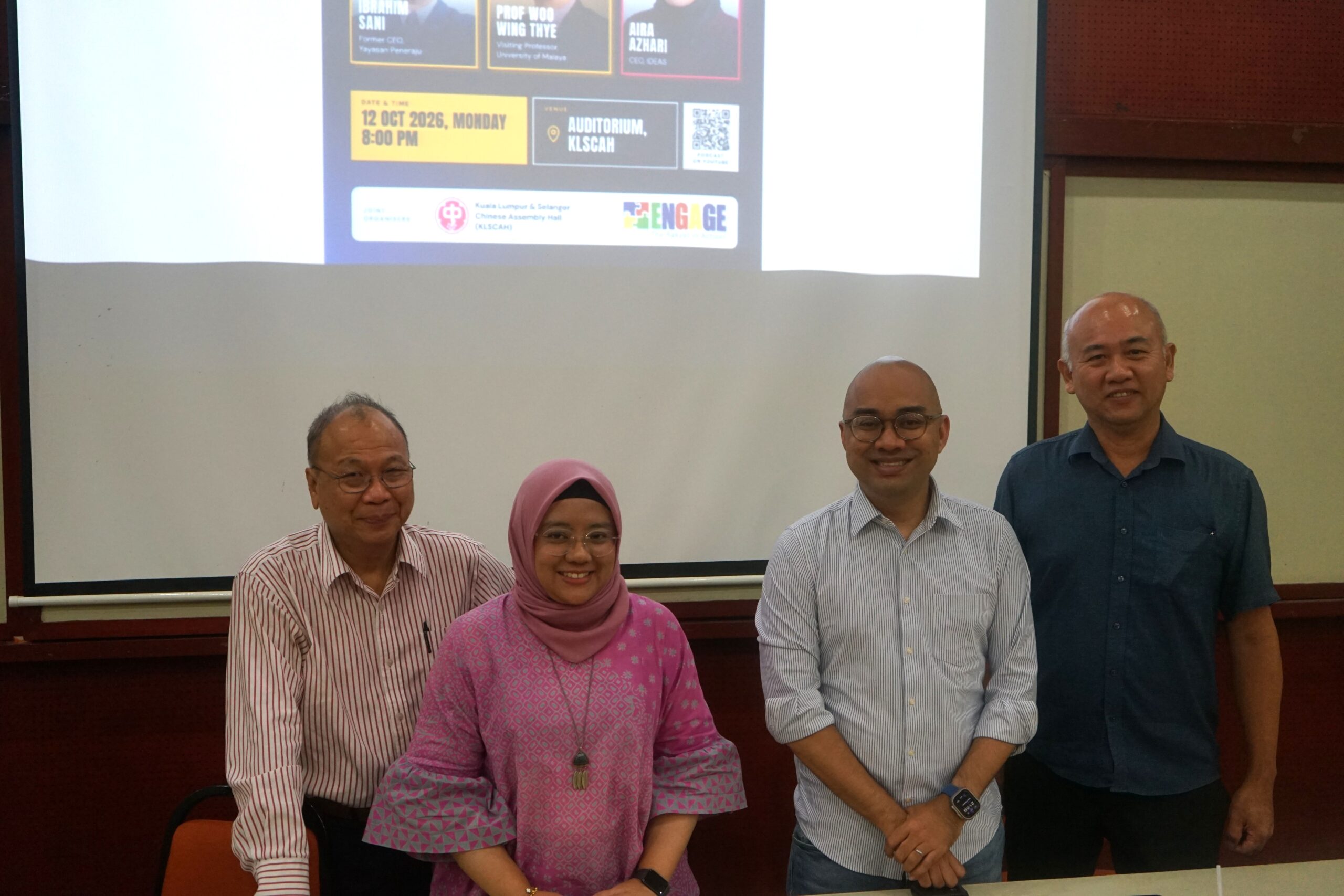
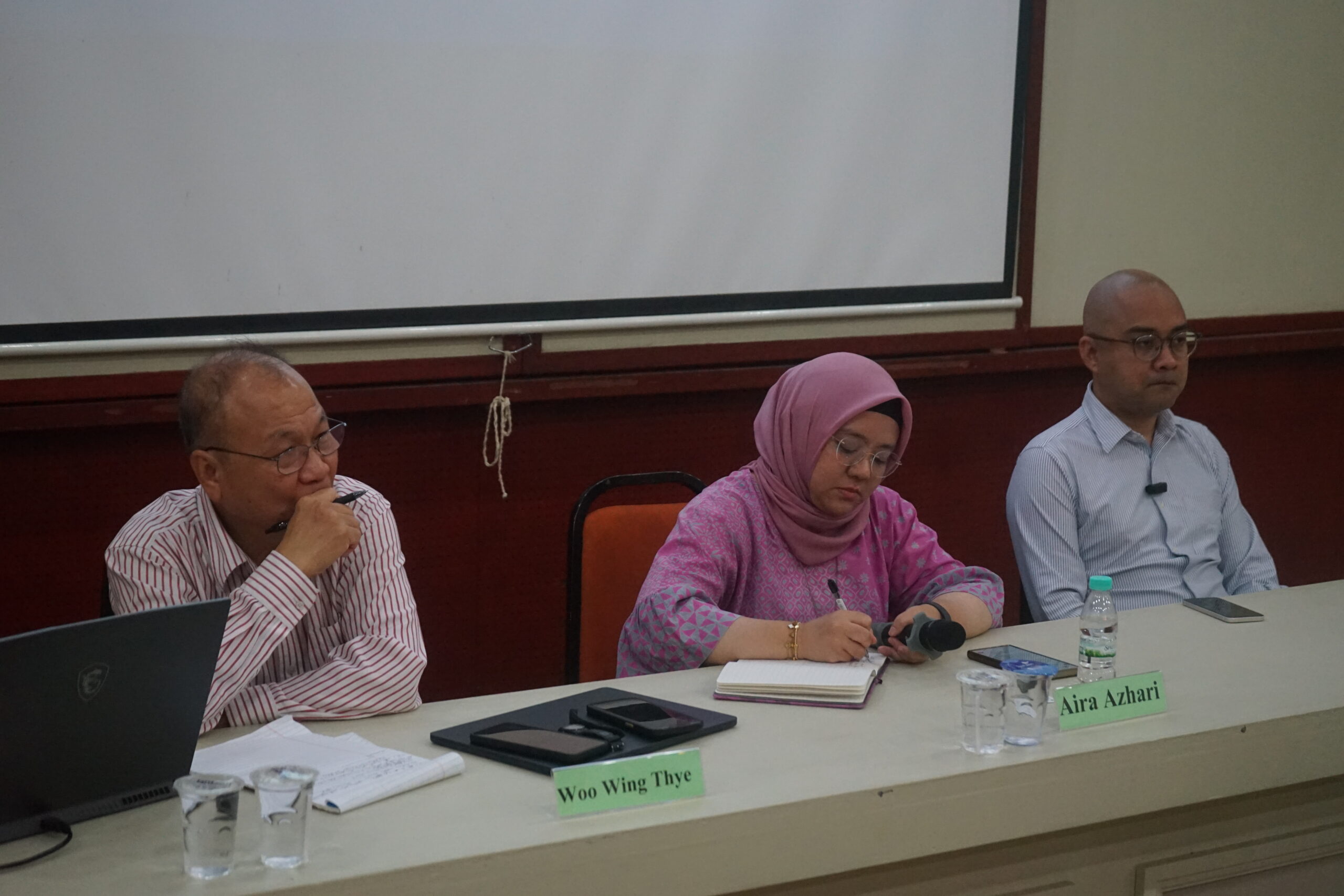
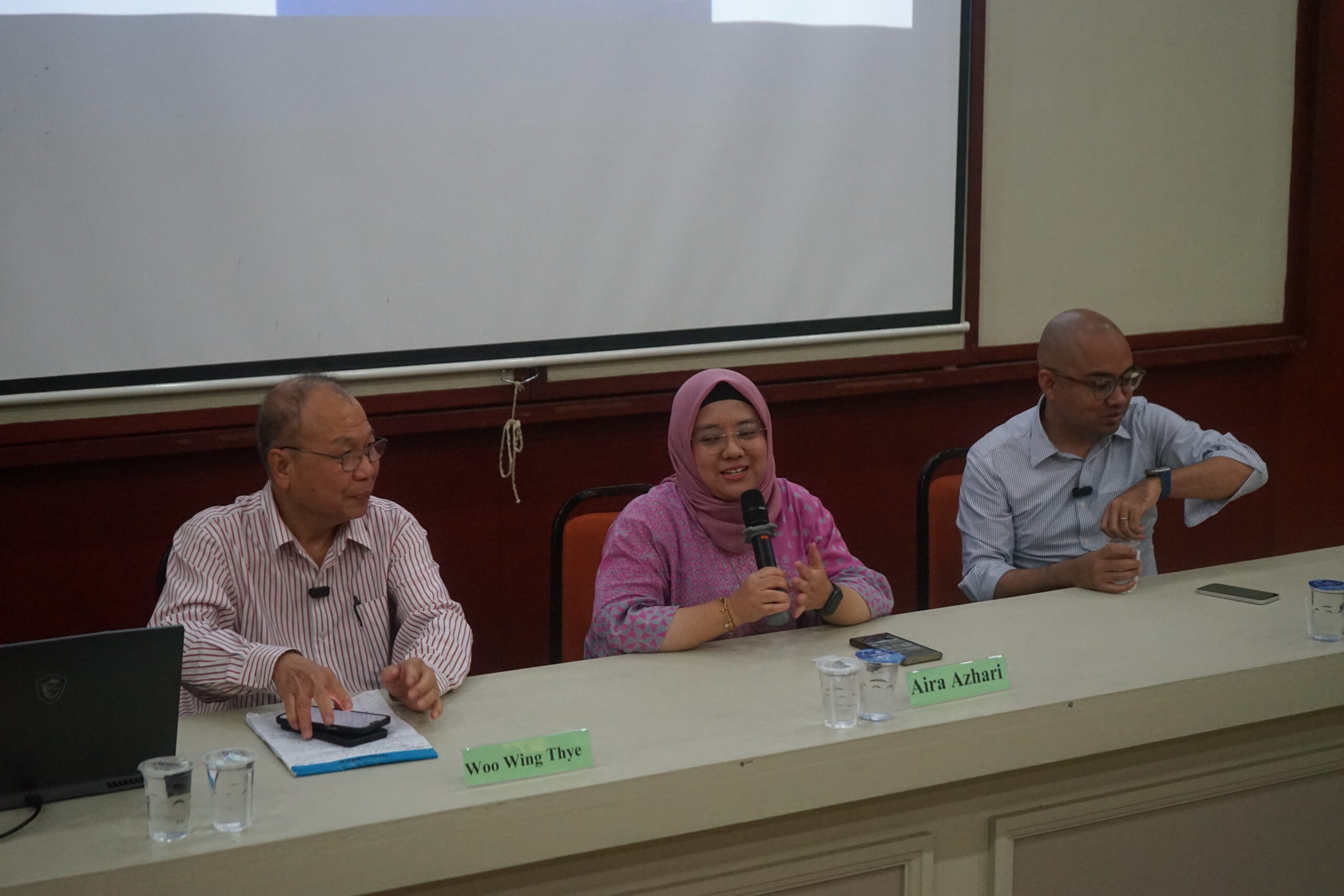
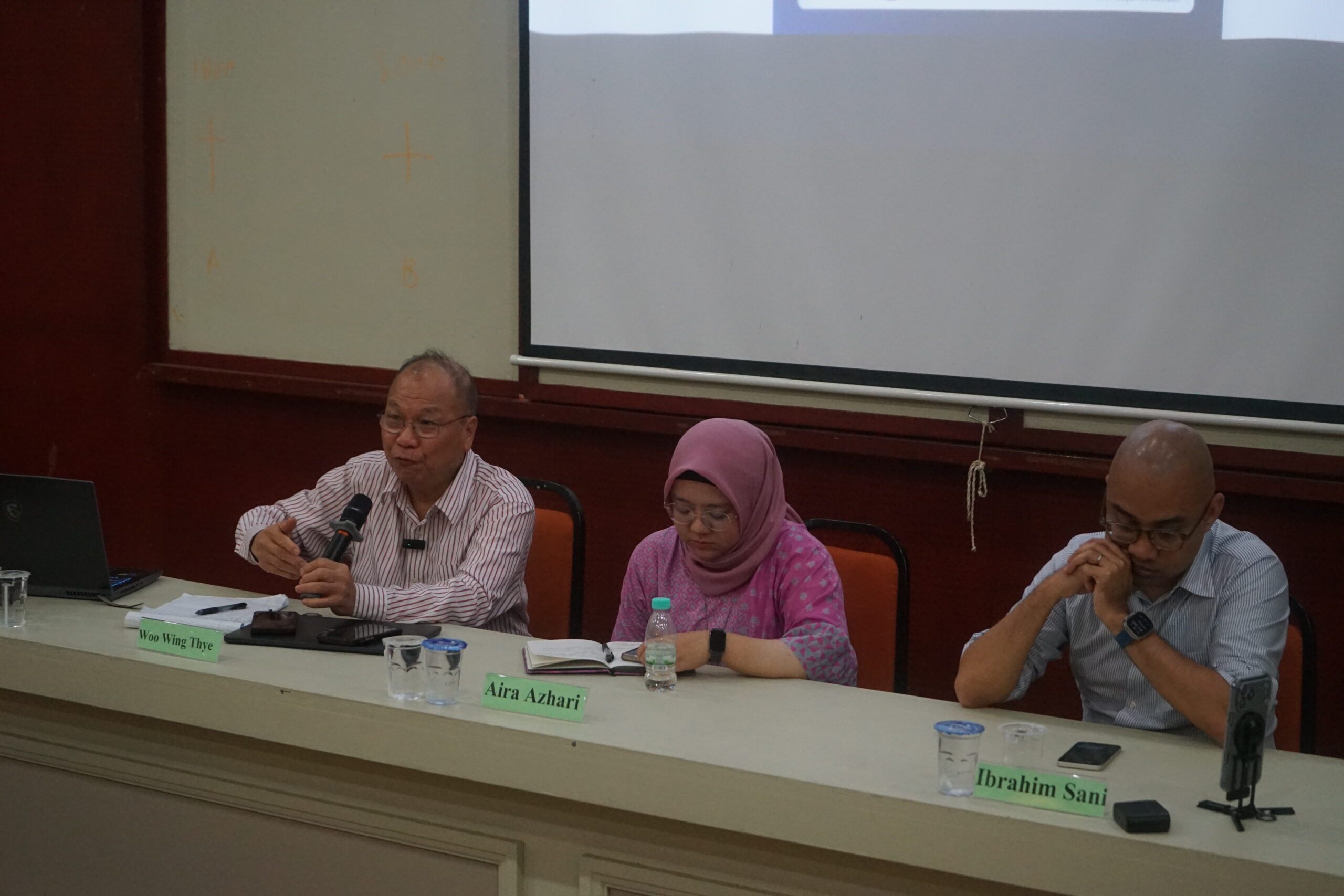
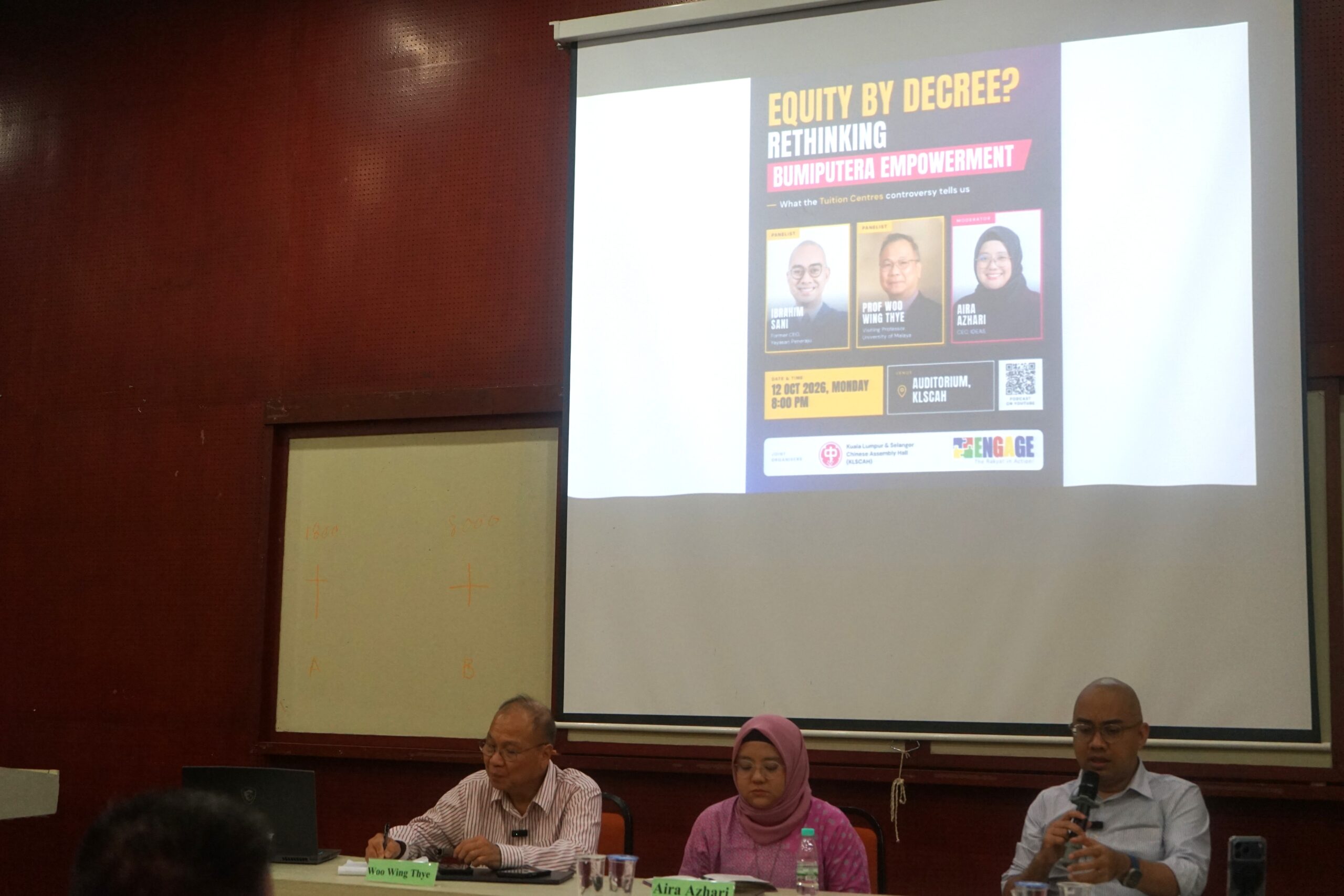
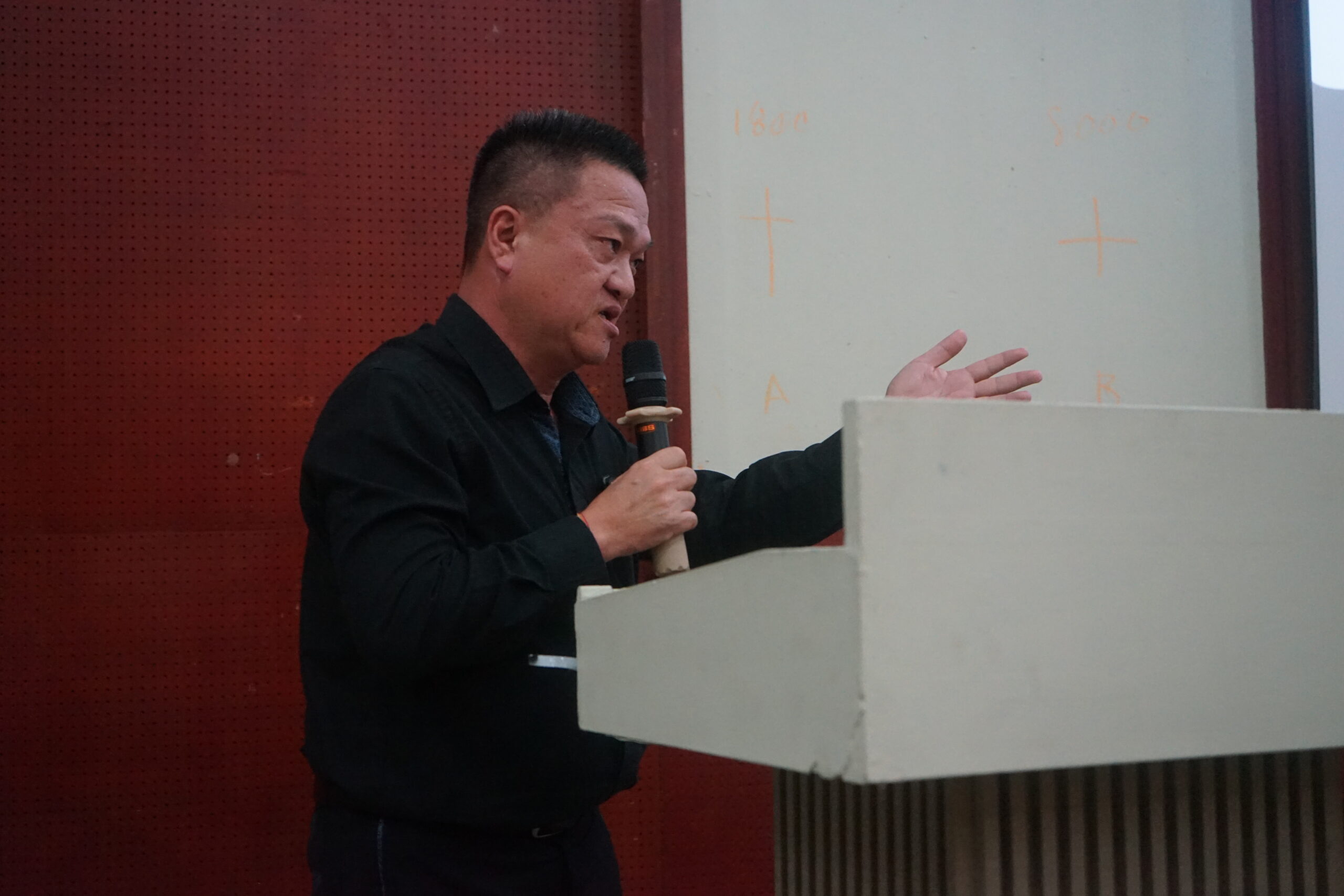
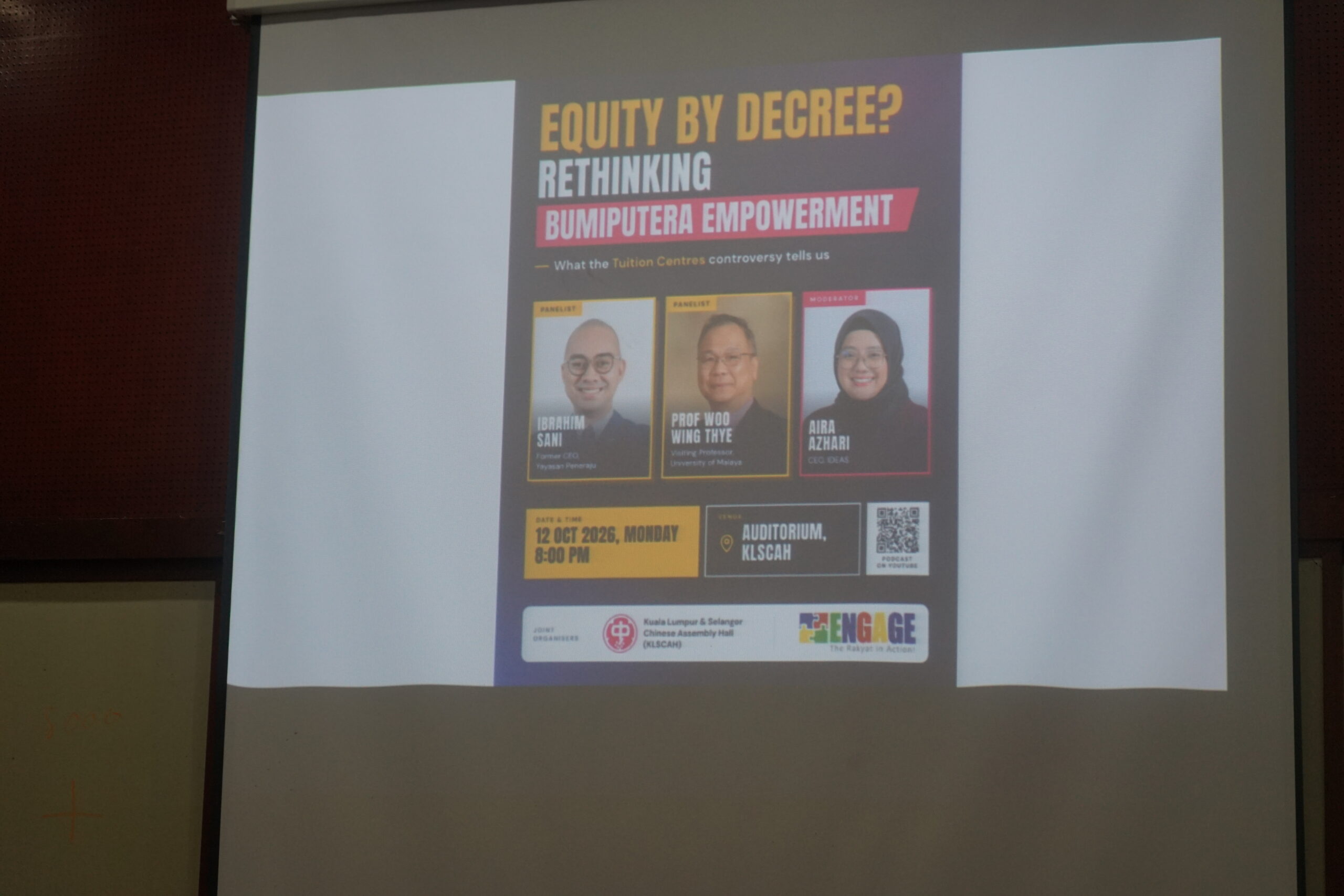
BMThe Kuala Lumpur and Selangor Chinese Assembly Hall (KLSCAH) and Engage (The Rakyat in Action!) jointly organised a public discussion titled “Equity by Decree? Rethinking Bumiputera Empowerment” on 12 October, featuring former Yayasan Peneraju Chief Executive Officer Ibrahim Sani and University of Malaya Visiting Professor Woo Wing Thye. The discussion was moderated by Aira Azhari, Chief Executive Officer of the Institute for Democracy and Economic Affairs (IDEAS).
The speakers examined the practical implications of the 30% Bumiputera equity requirement for tuition centres, assessed its effectiveness in advancing Bumiputera economic empowerment, and explored alternative policy approaches that could deliver more meaningful and sustainable outcomes.
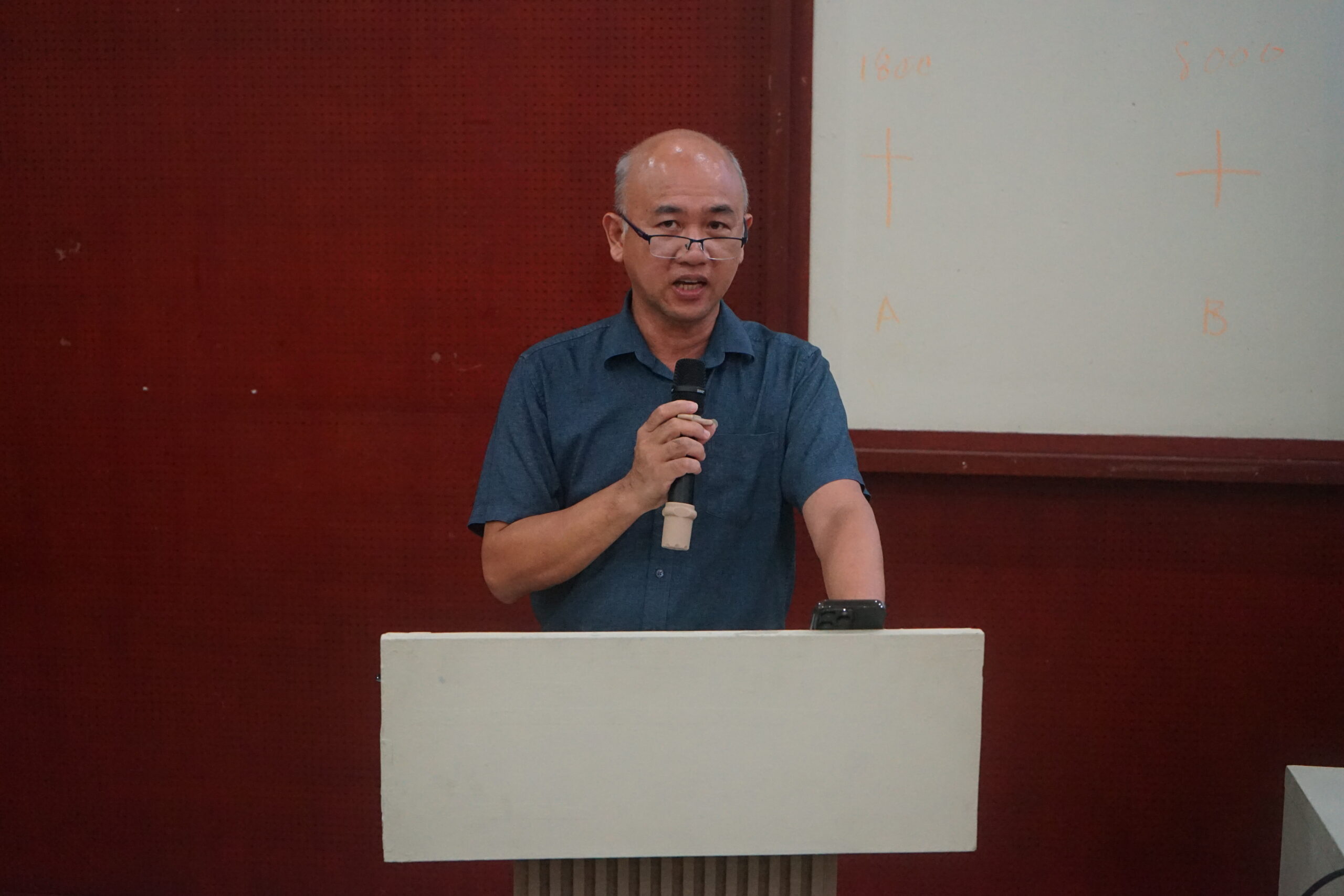
The discussion commenced at 8.00 pm at KLSCAH’s Cheng Yi Auditorium. In his welcoming remarks, KLSCAH Secretary-General Yeo An Thai said the controversy surrounding the 30% Bumiputera equity requirement had once again highlighted the complex relationship between Bumiputera empowerment, economic equity and government policy. While strengthening Bumiputera economic participation and narrowing economic disparities are important objectives, the government must also assess whether existing policies achieve their intended outcomes and whether fairer, more effective alternatives are available. A policy should not be judged solely by its intentions, but also by whether it delivers tangible benefits to the communities it seeks to support.
Yeo stressed that economic opportunities should not be treated as a fixed pie over which different communities must compete. Instead, policymakers should focus on expanding economic opportunities so that more Malaysians can share in the benefits of development, rather than creating unnecessary barriers for other groups in the process of empowerment. Genuine empowerment should not be built on a zero-sum contest in which one group’s gains come at the expense of another, but should enable more people to participate meaningfully in economic development.
He added that policies addressing economic inequality must create meaningful opportunities for disadvantaged groups while upholding fairness for society as a whole. As the government seeks to narrow economic disparities, it must avoid deepening divisions between communities and instead pursue more effective public policies that strengthen public trust and social cohesion. Yeo said the discussion reflected KLSCAH and Engage’s commitment to moving beyond political reactions and communal divisions, and to exploring more constructive approaches to Bumiputera empowerment grounded in economic considerations, good governance and policy effectiveness.
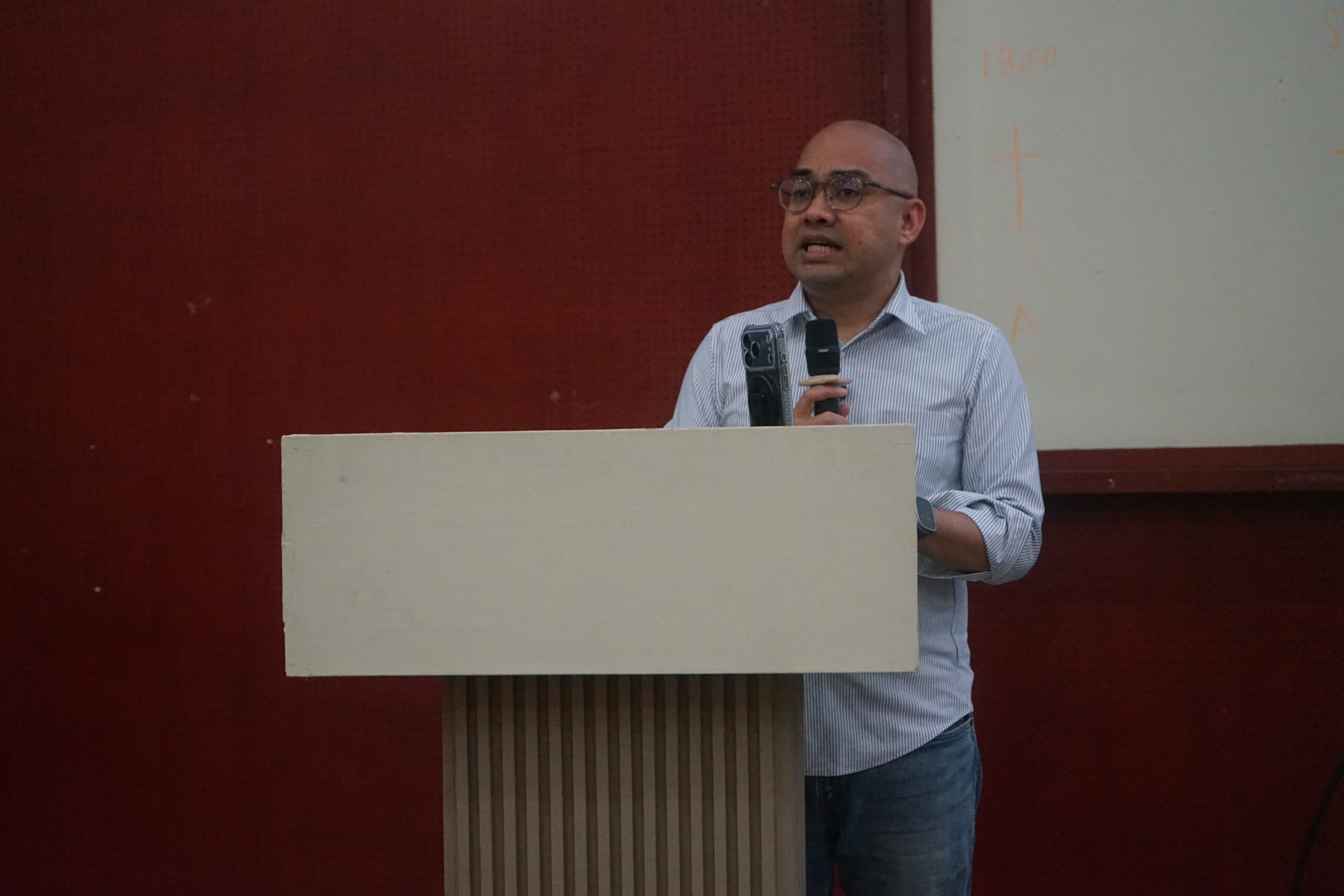
Speaker, Ibrahim Sani pointed out that, to date, no comprehensive publicly available impact study had demonstrated that the 30% Bumiputera equity requirement had effectively improved the economic standing of the Bumiputera community. He questioned whether mandating a fixed shareholding percentage would, by itself, lead to meaningful economic participation, warning that the requirement could encourage nominee ownership, whereby Bumiputera individuals hold shares in name without genuine involvement in business operations or a meaningful share in the economic benefits generated.
He explained that the requirement originated from administrative policies and guidelines introduced by the Ministry of Education in 2006, rather than legislation passed by Parliament. Accordingly, decisions on its implementation, revision or withdrawal fall within the authority of the relevant regulatory bodies. He also questioned why the requirement applied to tuition centres operating as private limited companies but not to those structured as sole proprietorships or partnerships.
Sani stressed that strengthening Bumiputera economic participation need not conflict with maintaining an open market. The key, he argued, is for the government to formulate clearer and more effective policies that enable genuine participation in economic activities while allowing businesses to grow and develop.
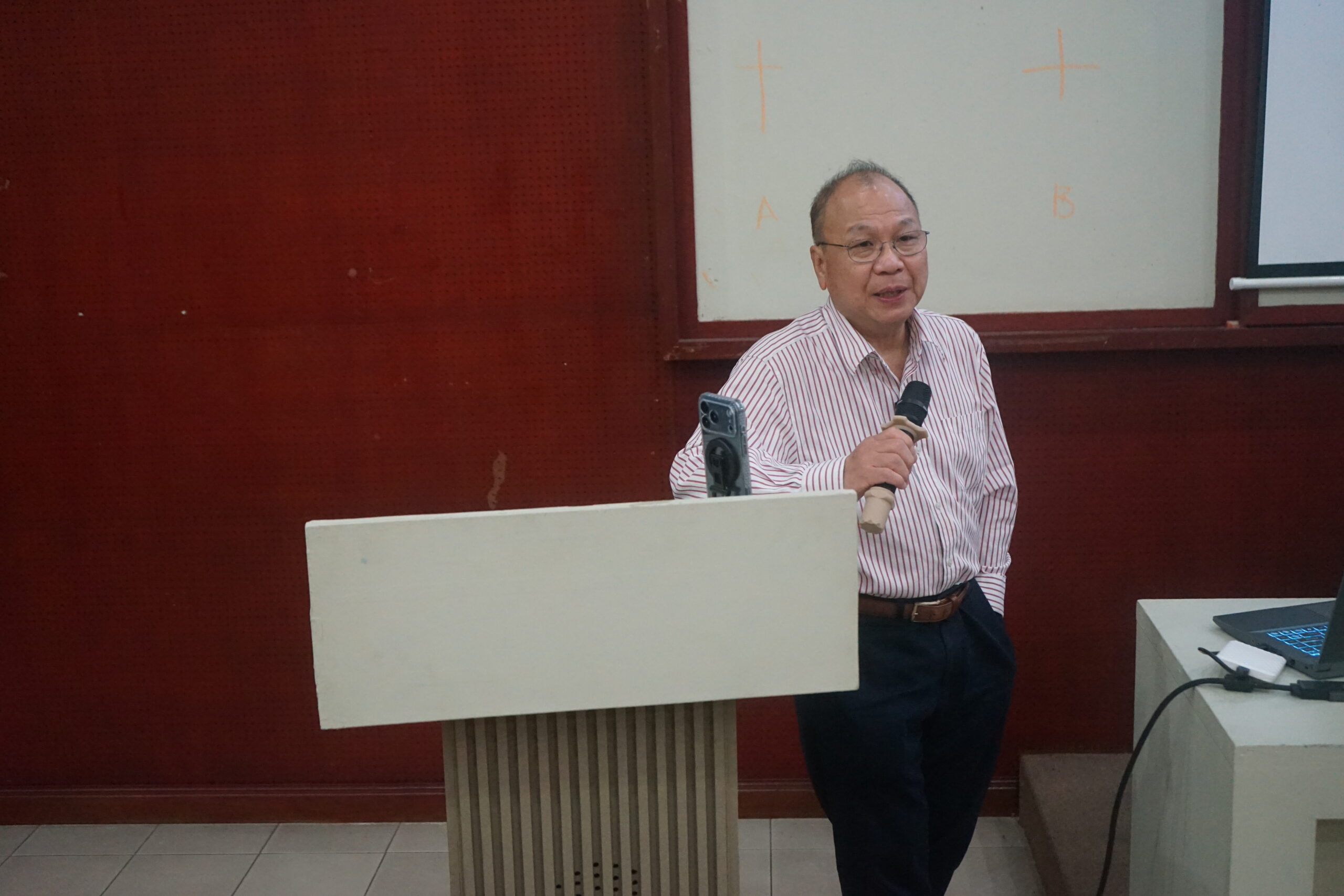
Speaker, Professor Woo Wing Thye said the 30% Bumiputera equity requirement could constrain the growth of tuition centres, particularly those seeking to incorporate as private limited companies to secure financing and expand their operations. He cautioned that restrictions of this nature could extend beyond the tuition-centre sector, potentially discouraging business expansion and constraining growth across the wider economy.
Woo emphasised that Bumiputera empowerment should focus on developing skills, raising productivity and creating more high-skilled, better-paying jobs. He also highlighted the challenges faced by small and medium-sized enterprises (SMEs), many of which struggle with cash-flow constraints and insufficient working capital, limiting their ability to expand.
Strengthening SMEs’ access to financing and improving their capacity for growth, he said, would help businesses become more competitive while creating more meaningful economic opportunities for the Bumiputera community.
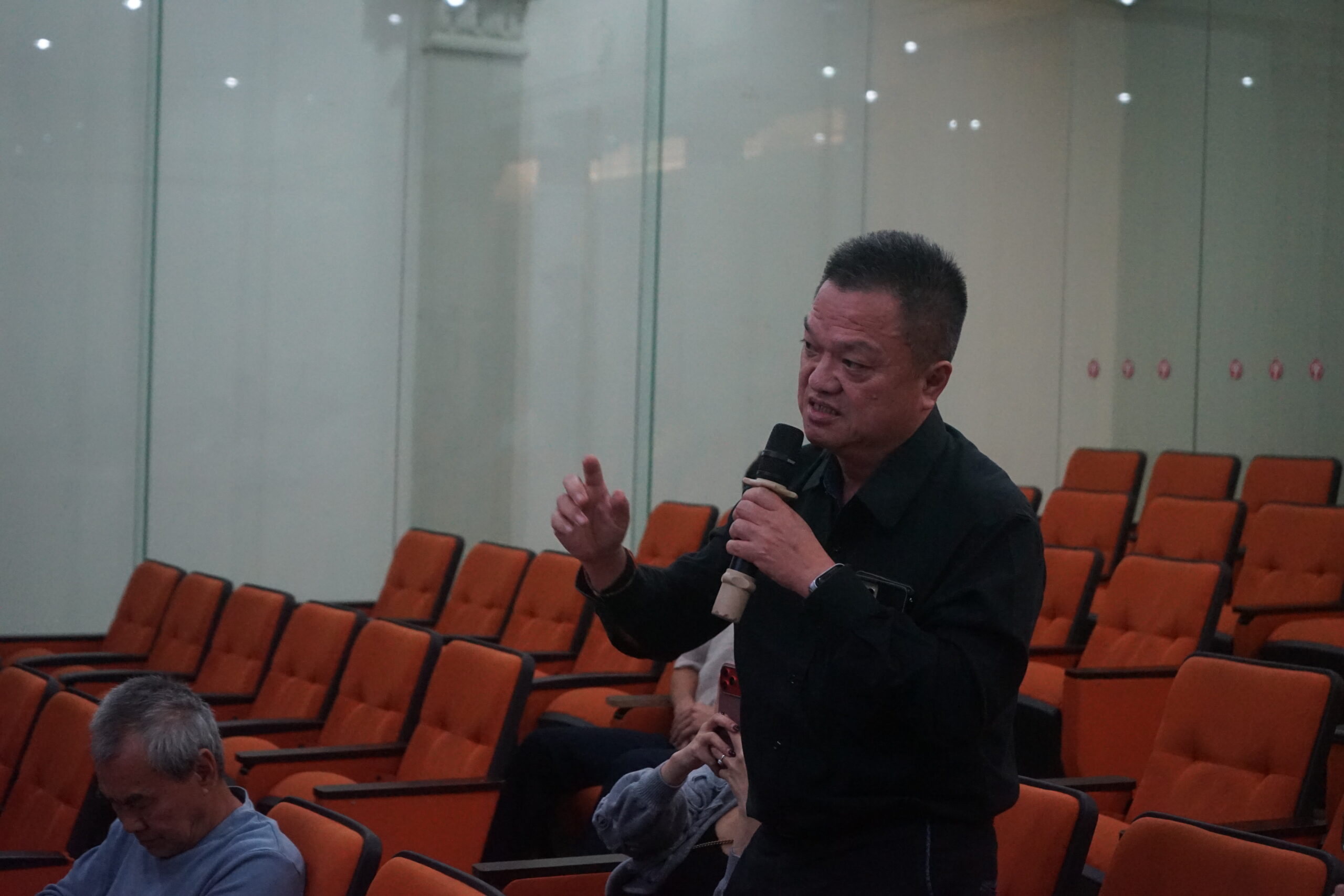
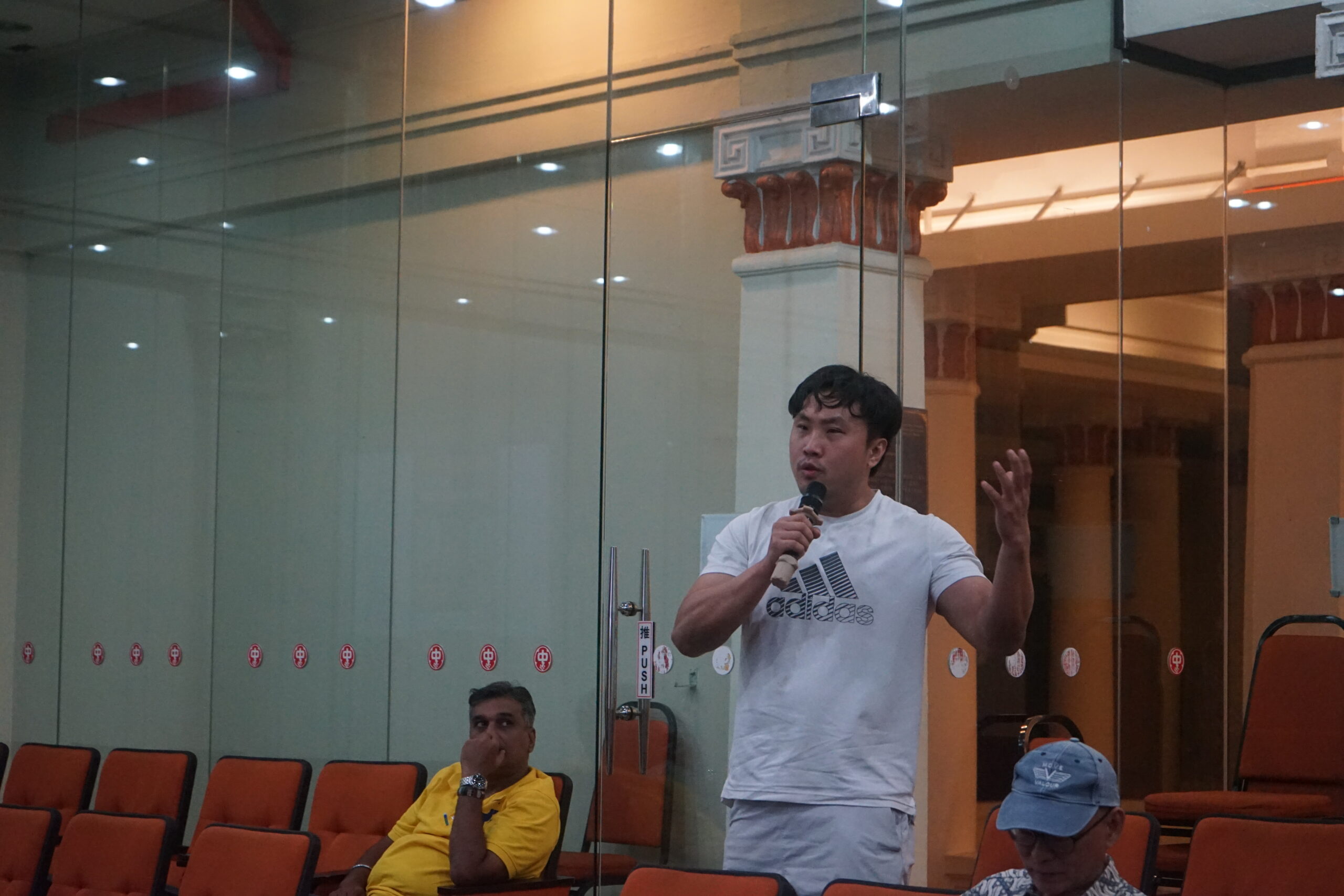
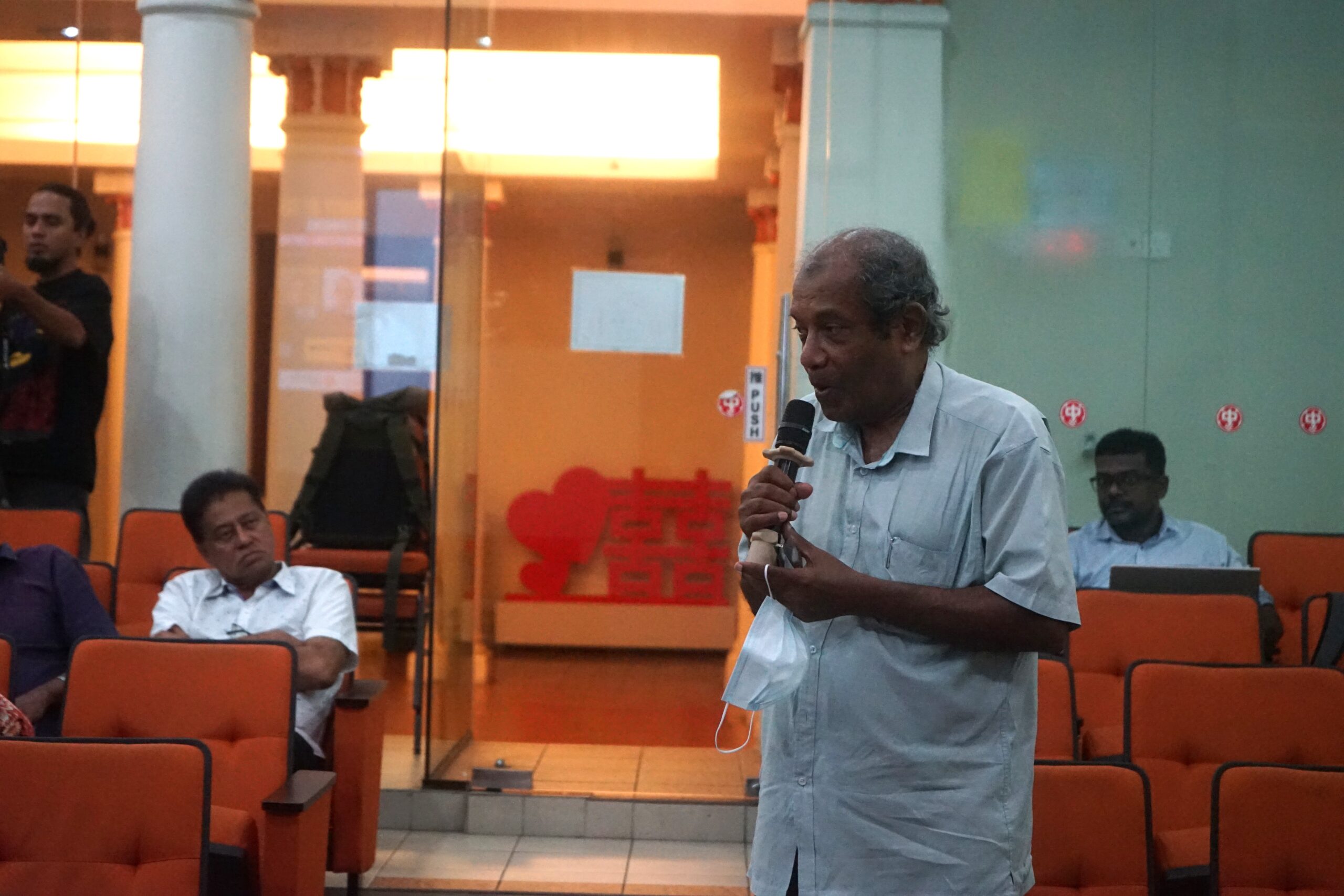
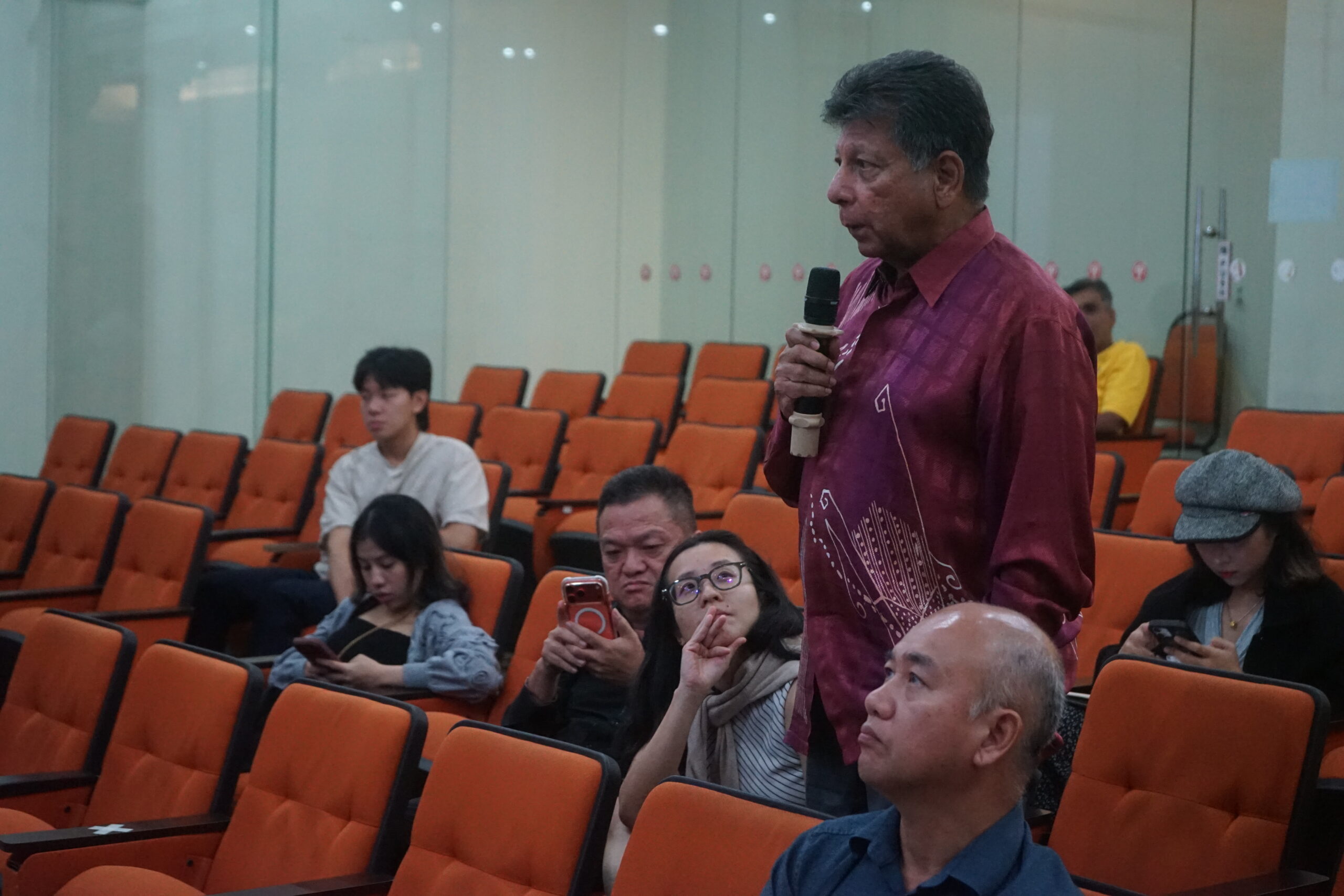
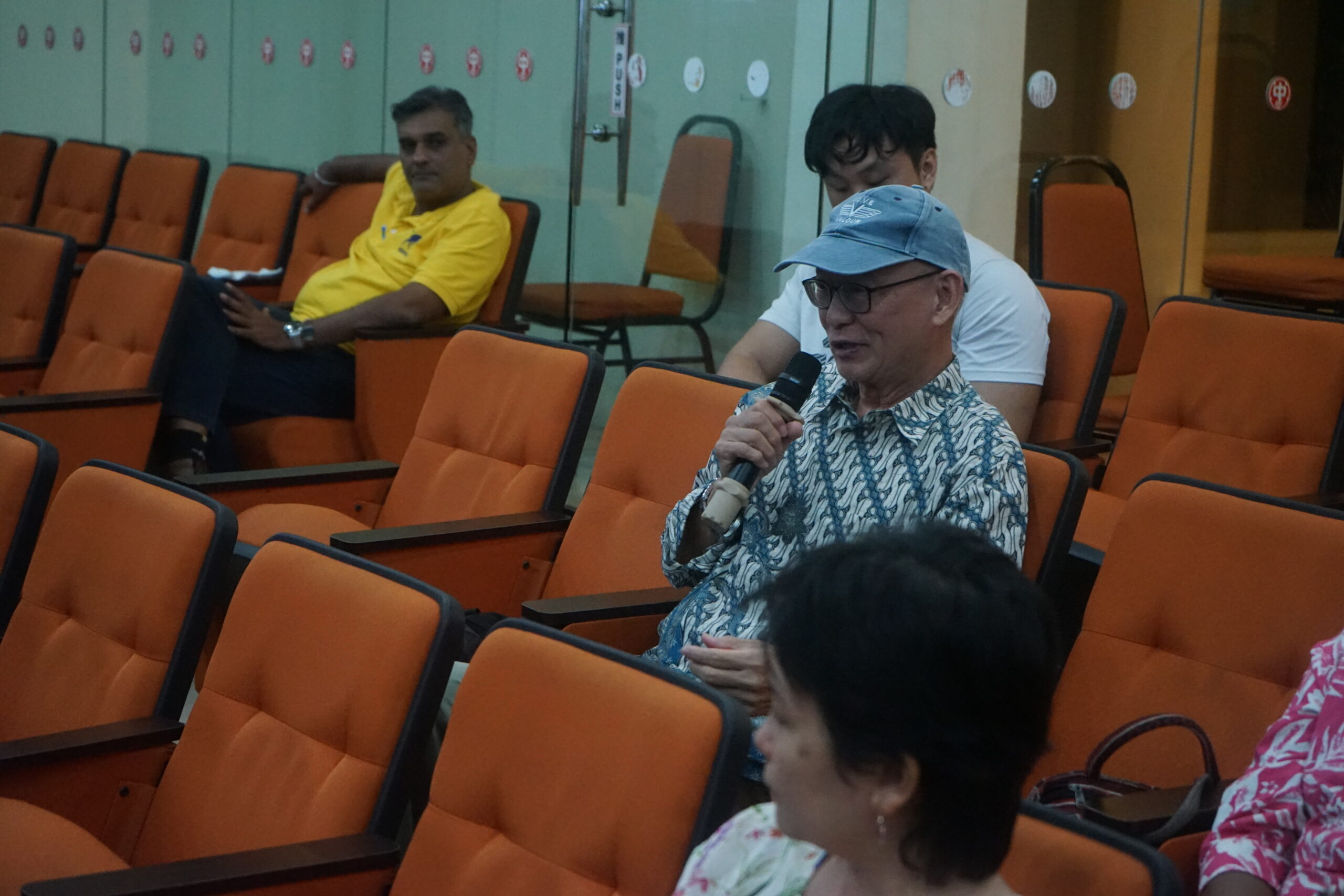
During the question-and-answer session, moderator Aira Azhari guided participants in examining the effectiveness of Bumiputera empowerment policies, their implementation and possible alternatives. The discussion also considered how the government could strengthen Bumiputera economic participation while safeguarding market development and social equity.
The event concluded at 10.00 pm. KLSCAH maintains that economic equity should not become a zero-sum contest between communities. The government should formulate policies based on evidence and demonstrable outcomes, with a focus on expanding economic opportunities, enhancing business competitiveness and promoting inclusive development. Efforts to strengthen Bumiputera economic participation should go hand in hand with ensuring that the benefits of economic growth are shared more equitably across all segments of society, thereby upholding fairness and social cohesion.