
 中文
中文 BM
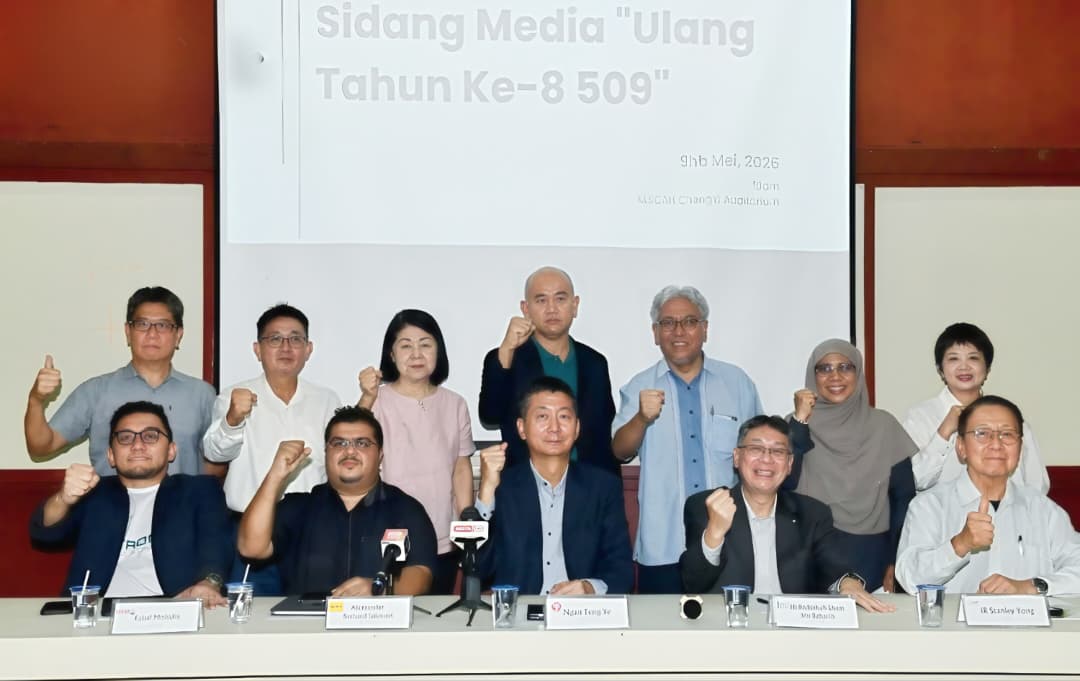
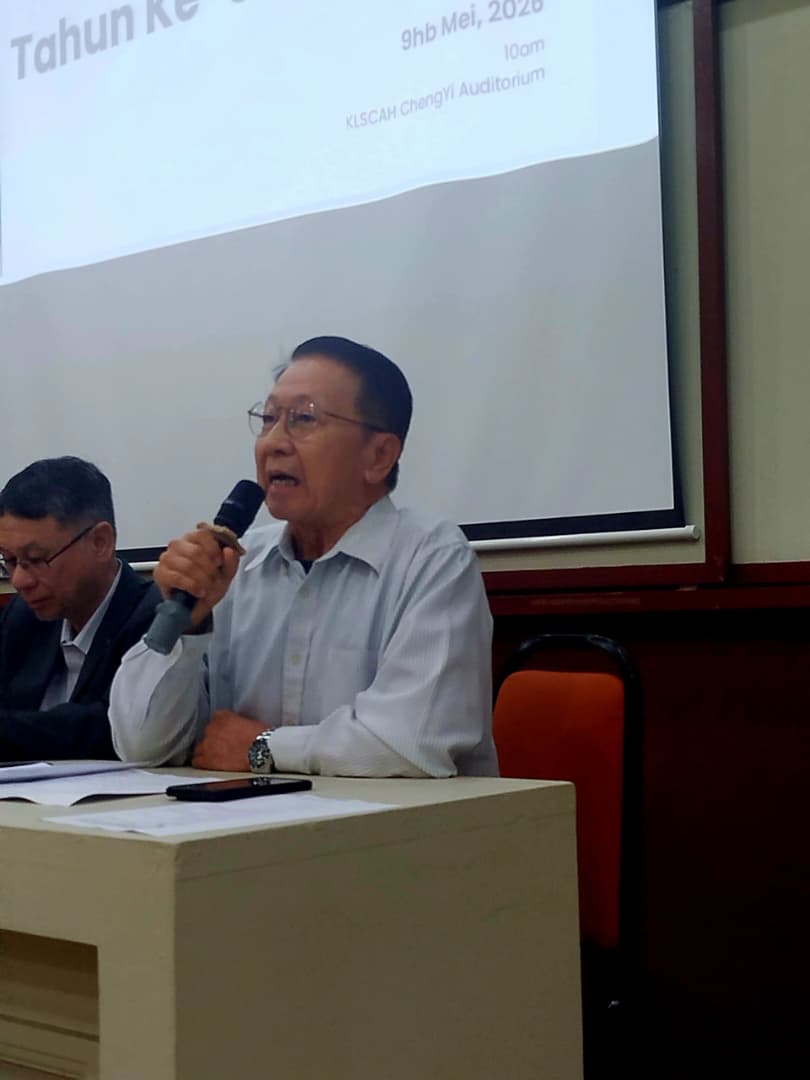
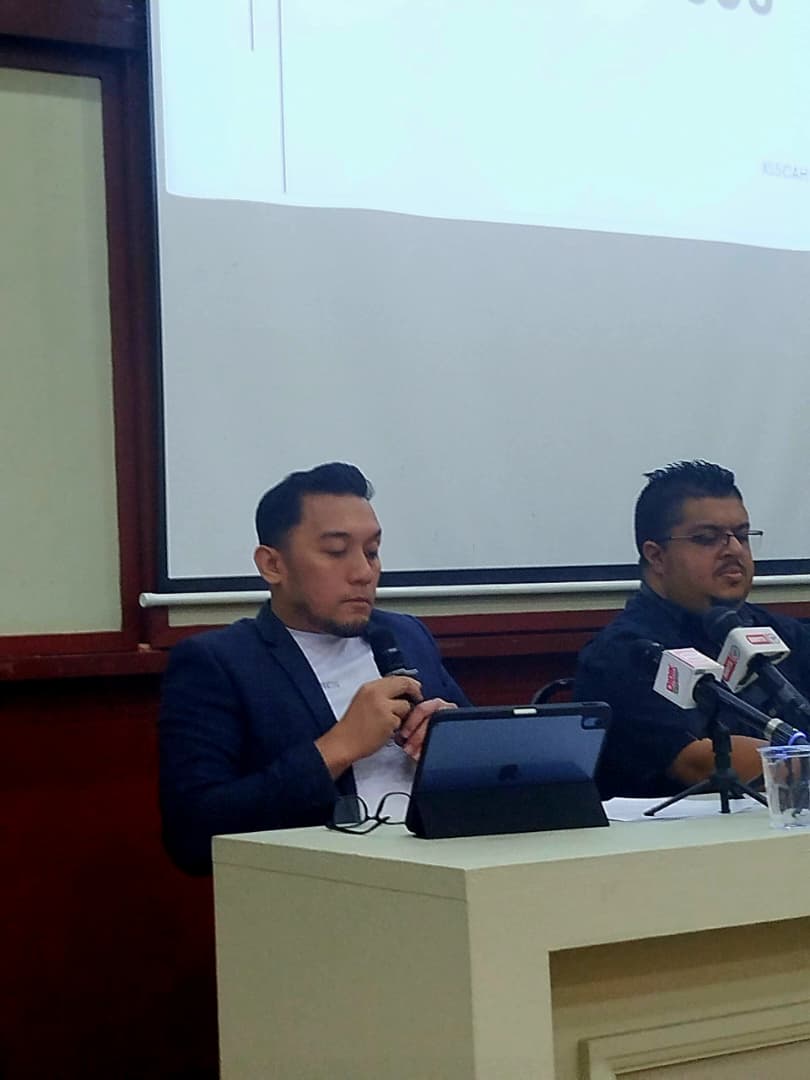
BMIn conjunction with the 8th anniversary of “509”, which also marked Malaysia’s first-ever federal change of government, the Kuala Lumpur and Selangor Chinese Assembly Hall (KLSCAH) organised a joint press conference on 9 May 2026 (Saturday) at 10.00am at the Cheng Yi Auditorium, KLSCAH. The press conference was jointly supported by Pertubuhan IKRAM Malaysia (IKRAM), BERSIH and Gabungan Bertindak Malaysia (GBM), bringing together civil society organisations from different backgrounds to reflect on Malaysia’s democratic transition and institutional reform process.
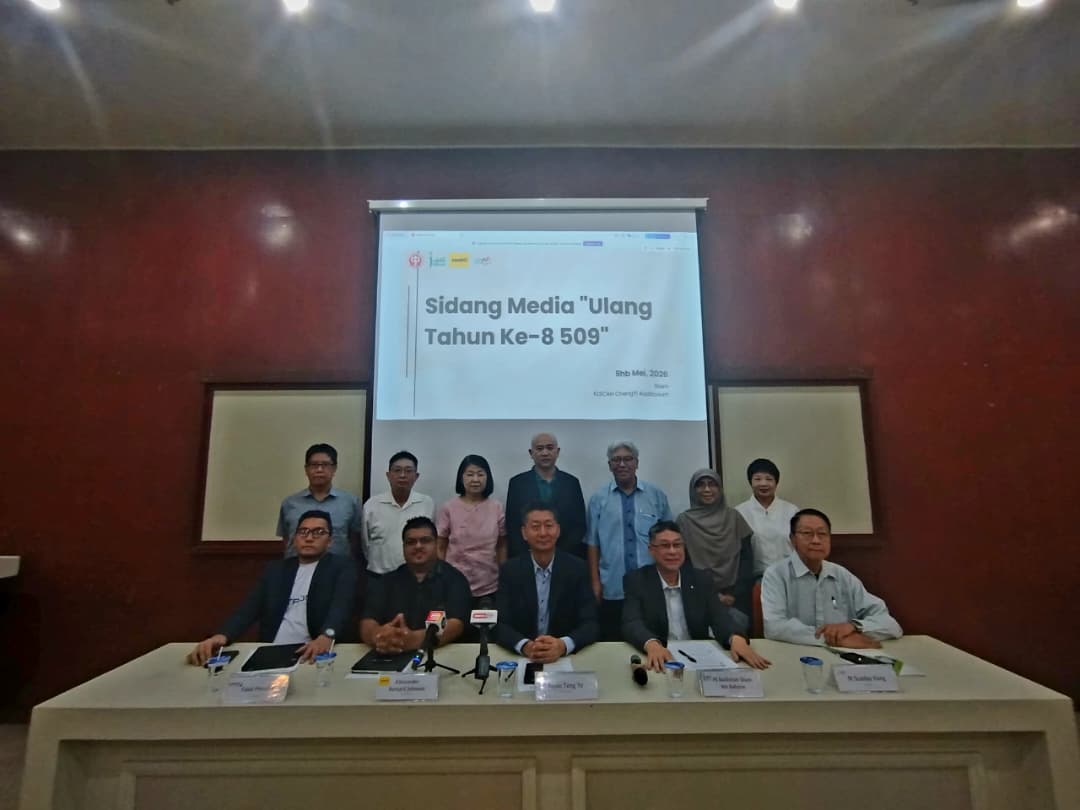
Representatives present at the press conference included:
【KLSCAH】
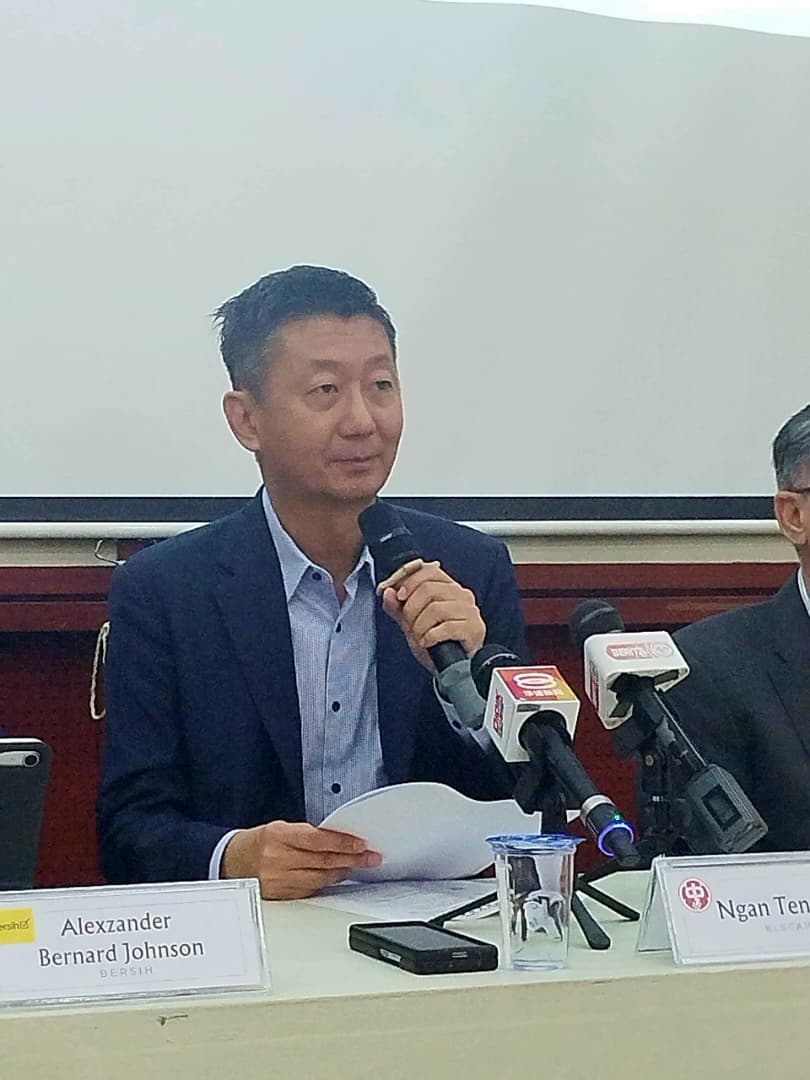
• Ngan Teng Ye (President)
• Thay Peng Hong (Vice President)
• Ng Geok Chee (Vice President)
• Yeo An Thai (Secretary-General)
• Tan Soon Lim (Treasurer)
• Ong Soo Lee (Chairperson, Socio-Economic Committee)
【IKRAM】
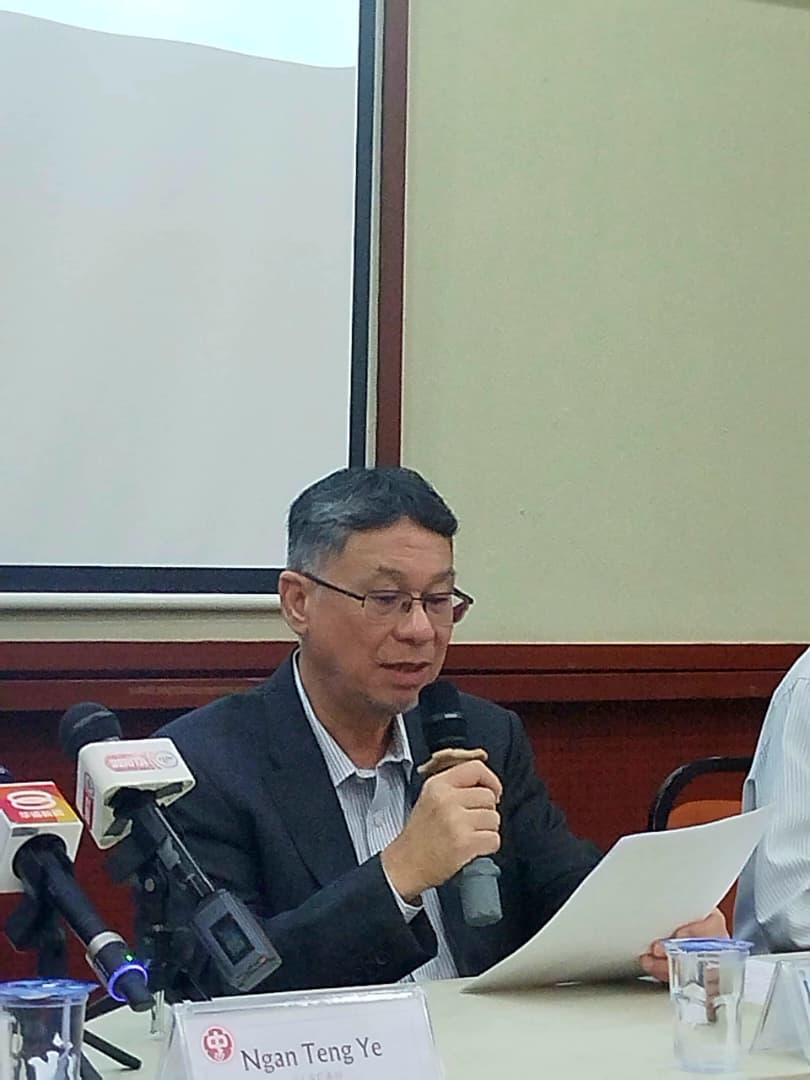
• Hj Badlishah Sham bin Baharin (President)
• Dr Sabariah binti Baharun (Vice President)
【BERSIH】
• Alexzander Bernard Johnson (Treasurer)
【GBM】
• IR. Stanley Yong Yew Wei (Chairperson)
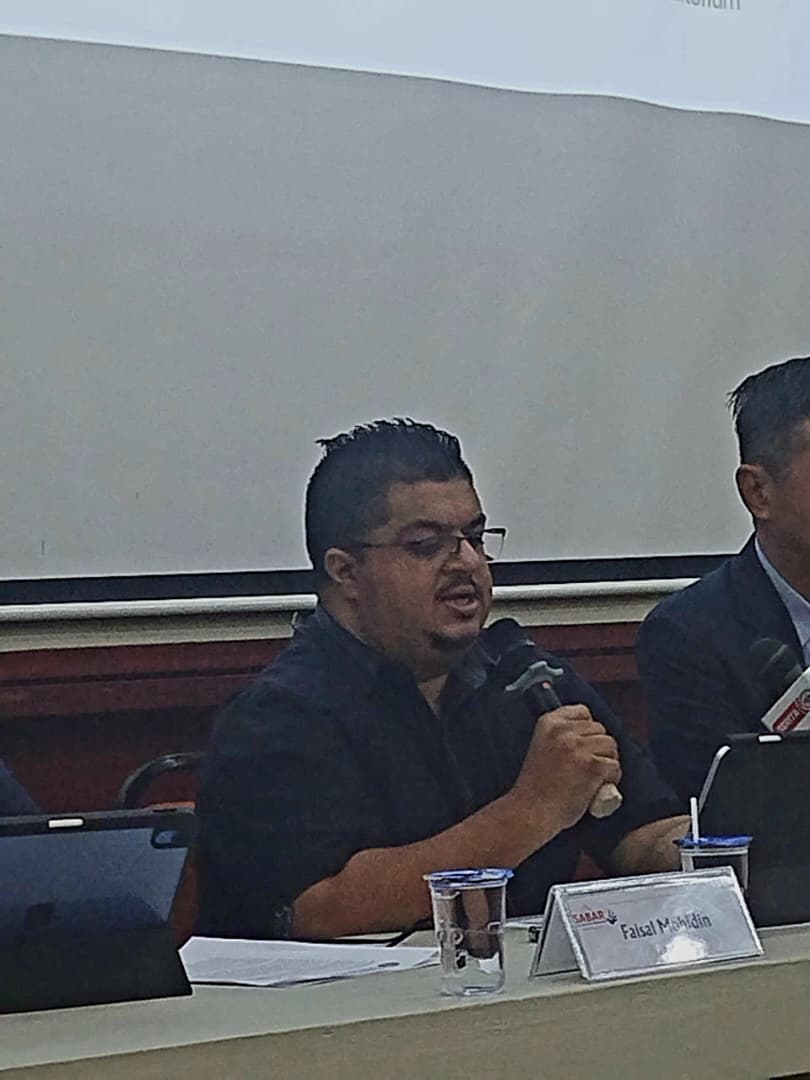
Although Sabah Action Body Advocating Rights (SABAR) was not among the signatories of the joint statement, the organisation nevertheless sent its representative, Faisal Mohidin, Chairperson of the SABAR Peninsular Malaysia Secretariat, to express support for cross-community civil society cooperation in advancing democratic reform.
In the joint statement, we, as the signatory organisations, stressed that the events of “509” in 2018 represented more than just a change of government. It marked a major turning point in Malaysia’s democratic development and reflected the cumulative impact of years of civic engagement and reform advocacy by civil society. However, eight years on, many long-promised institutional reforms — including the separation of prosecutorial powers, parliamentary reforms, political financing laws, institutional independence and stronger checks and balances on executive power — remain incomplete or lacking clear progress.
The statement also expressed concern over the growing sense of political apathy and democratic fatigue among the public. At a time when public discourse is increasingly shaped by emotional reactions, populist narratives and fragmented social media culture, substantive discussions on institutional reform and long-term nation-building are gradually being sidelined. We emphasised that the greatest threat to democracy is not the existence of differing opinions, but when citizens begin to disengage from public affairs and lose confidence in participating in the reform process.
As part of the “509” anniversary initiative, we, as a coalition of cross-community civil society organisations, have decided to help rebuild a healthier public discourse space. We also announced plans to organise a public forum in mid-July this year, bringing together academics, political commentators, civil society representatives and members of the public to discuss Malaysia’s democratic challenges, institutional weaknesses and future reform priorities. The forum is not intended to support any political party, but rather to bring public attention back to institutional reform and nation-building.
During the remarks session, KLSCAH President Ngan Teng Ye said that while certain changes had taken place since 2018, many Malaysians were now experiencing democratic fatigue due to the gap between public expectations and the slow pace of reform. He stressed that society must not disengage from politics and reform efforts, as public withdrawal would only leave room for opportunistic politicians and divisive politics to dominate national discourse.
IKRAM President Hj Badlishah Sham bin Baharin said that nation-building and democratic reform require patience, long-term commitment and collective participation from all segments of society. He added that a harmonious and democratic nation must be built upon values, ethics and a mature culture of dialogue.
BERSIH Treasurer Alexzander Bernard Johnson acknowledged that many Malaysians remain disappointed with the current political climate, but noted that several important reforms had nevertheless taken place since 2018. Among them were improvements in workers’ rights, sexual harassment legislation and ongoing discussions on reforms such as limiting the Prime Minister’s term, separating prosecutorial powers and introducing a Freedom of Information Act. He stressed that continued public pressure and civic oversight remain essential to ensure the reform agenda does not stall.
Meanwhile, GBM Chairperson IR. Stanley Yong Yew Wei highlighted longstanding concerns surrounding 3R politics, weak information transparency, the limited oversight role of Parliament and the absence of local council elections for decades. He also urged Malaysians to continue participating actively in future elections in order to keep the country’s reform process moving forward.
Speaking as a representative from East Malaysia and on behalf of SABAR Semenanjung Malaysia, Faisal Mohidin said the struggle surrounding MA63 is not merely a historical issue, but one that concerns Sabah’s constitutional rights, dignity and fair representation within the Federation of Malaysia. He explained that SABAR is a non-partisan civil society movement committed to advocating for the rights of Sabahans through legal action, policy advocacy and constructive public engagement based on the spirit and provisions of the Malaysia Agreement 1963 (MA63). While acknowledging several positive developments, including greater state autonomy in certain key sectors and ongoing efforts by the Sabah state government, he stressed that issues involving education, healthcare, oil royalty, continental shelf rights, as well as parliamentary representation for Sabah and Sarawak, still require sustained attention, political commitment and meaningful reform.
The press conference concluded with a group photo session involving all participating representatives, and officially ended at around 11.00am.
KLSCAH extends its appreciation to all NGO representatives, members of the media and members of the public who attended in support of democratic reform and civic engagement efforts. Further details regarding the upcoming public forum in July will be announced once finalised.
Civil society organisations :
- The Kuala Lumpur And Selangor Chinese Assembly Hall (KLSCAH)
- Pertubuhan IKRAM Malaysia (IKRAM)
- BERSIH
- Gabungan Bertindak Malaysia (GBM)
Joint Media Statement:
https://klscah.org.my/wp-content/uploads/3.-English-Statement.pdf