
 BM
BM EN
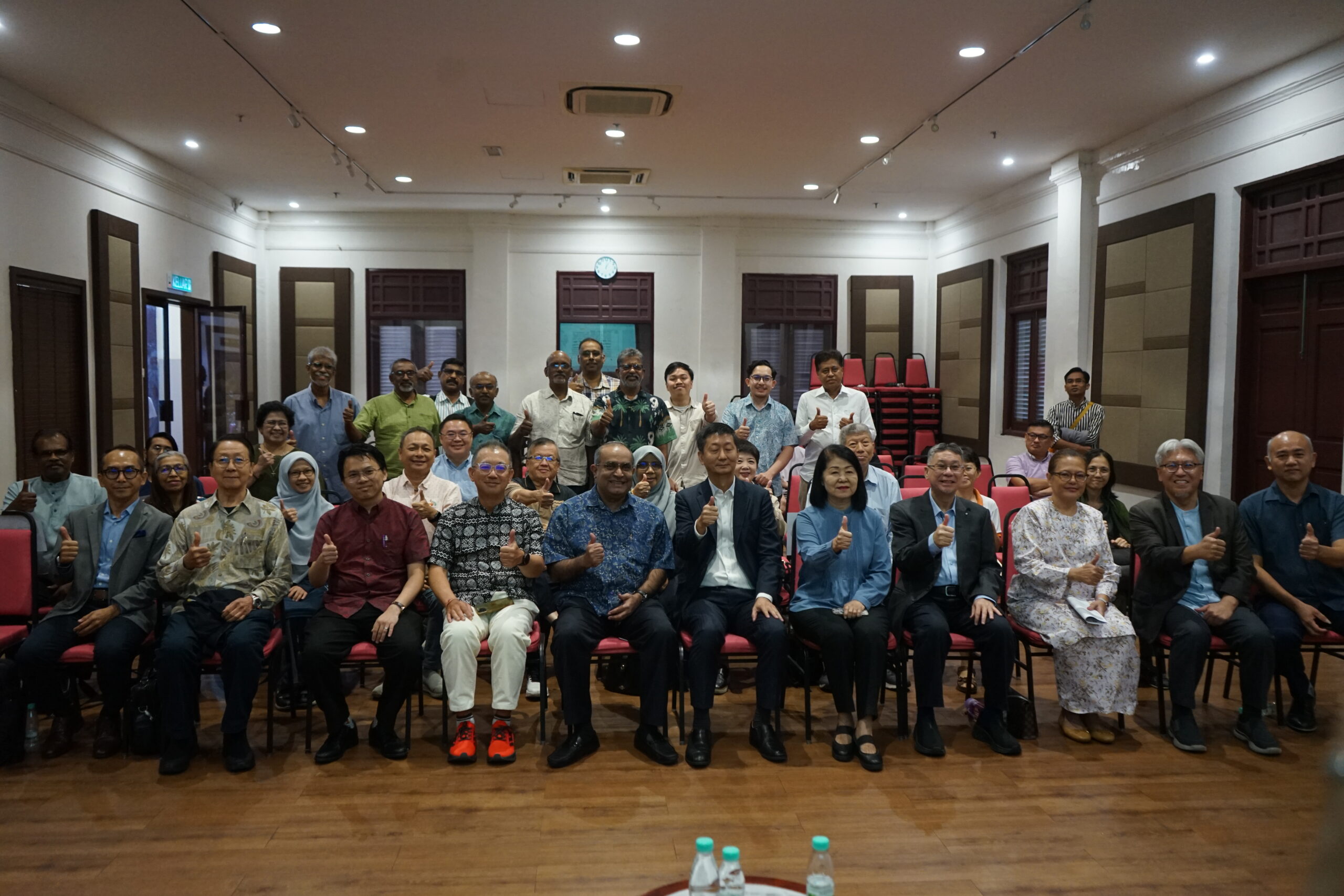
ENThe motions adopted at this forum are as follows:
KLSCAH:
1.Proposal Judicial Reform
Title : Separating the Attorney General’s Prosecutorial Powers
Issue:The current dual role of the Attorney General as both the government’s legal adviser and the chief public prosecutor presents a severe structural conflict of interest. When cases involve those in power or public policies, prosecutorial decisions frequently face allegations of political interference, thereby undermining the credibility of the judiciary. Given that relevant reform plans are already in motion, the government and Parliament must urgently pass constitutional amendments to completely separate prosecutorial powers from the Attorney General’s Chambers and establish an independent Office of the Public Prosecutor that reports directly to Parliament. This institutional reform will ensure that prosecutorial procedures are guided purely by law and evidence, free from any pressure or interference from the executive branch. This will, in turn, consolidate the foundation of the nation’s rule of law and restore the people’s absolute confidence in judicial impartiality.
2.Proposal Political Reform
Title: Legislating a Two-Term Limit for the Prime Minister
Issue: If the nation’s highest executive power remains concentrated in a single leader for an extended period, it easily breeds abuses of power, nepotism, and political patronage. The absence of term limits also leads to institutional stagnation, hindering the succession of new-generation leaders and democratic transitions. Therefore, amending the constitution to explicitly limit the Prime Minister’s tenure to a maximum of two terms or ten years is a crucial check and balance mechanism to prevent the corruption of power. This will not only promote renewal within the political ecosystem and maintain vitality and innovation in governance, but also effectively prevent the excessive expansion of power, consolidate the parliamentary democratic system, and safeguard the nation’s long-term stability and overall public interest from being compromised.
3.Proposal Regional Equality
Title: Full Implementation of the Malaysia Agreement 1963 (MA63), Decentralisation of Power, and Equal Rights for East Malaysia
Issue : Sabah and Sarawak have long been denied equal treatment within the federal system, leading to lagging infrastructure and unequal resource distribution. To uphold the constitutional spirit, the government must fully implement the Malaysia Agreement 1963 (MA63) and devolve autonomy in key sectors, such as education and healthcare, to the East Malaysian governments. Furthermore, the one-third proportion of parliamentary seats for East Malaysia should be restored as soon as possible, and the equitable distribution of oil royalties and development funds must be fulfilled. This move will effectively bridge the development gap between East and West Malaysia, truly realising regional equality and national integration. By fully implementing MA63, strengthening regional autonomy, safeguarding democratic rights, protecting state resource ownership, and ensuring fiscal justice, Malaysia can build a more balanced federation founded on equality, mutual respect, and genuine national integration.
4. Proposal Economic Reform and Public Accountability
Title: Establishing an Independent Fiscal Responsibility Committee
Issue: Having undergone multiple changes in government and political crises over the past decade, the nation faces severe challenges, including skyrocketing national debt and a massive subsidy black hole, coupled with a lack of long-term continuity and transparency in fiscal decision-making. To reshape the resilience and prosperity of the nation’s future economy, an independent fiscal responsibility committee must be established through parliamentary legislation. This committee shall be responsible for overseeing the execution of the government budget, assessing debt risks, and regularly publishing independent fiscal evaluation reports. This will not only elevate fiscal accountability to a statutory level but also ensure that transitions of political power do not lead the nation into a crisis of collapsing fiscal discipline.
5. Proposal Integrity and Accountability
Title: Establishing a Royal Commission of Inquiry to Thoroughly Investigate MACC Controversies
Issue : The government’s recent refusal to disclose the review report regarding the shareholding controversy of the former MACC Chief Commissioner, citing privacy reasons, severely undermines public trust in the national anti-corruption framework. An internal special committee composed of high-ranking executive officials lacks independence, making its investigation findings far from convincing to the public. The government must practice transparent accountability and immediately release the executive summary of the report, ensuring strict legal punishment if any criminal elements are involved. Furthermore, in light of serious allegations that anti-corruption agencies are colluding with corporate mafias, the government must swiftly establish an independent Royal Commission of Inquiry (RCI) to launch a comprehensive investigation. Only through an external review free from executive interference—thereby eliminating institutional shielding—can the credibility of anti-corruption agencies be salvaged and public confidence in the justice system be restored.
6. Proposal Gender Equality
Title: Enhancing Legal Protections for Gender Equality
Issue: Substantive equality must be realised through comprehensive legal and political reforms. In the workplace, the government should mandate equal pay for equal work to eliminate the gender wage gap and establish statutory paid parental leave shared by both parents to distribute caregiving responsibilities equally. Furthermore, given the limitations of current laws, the government must amend the Penal Code to expand the legal definition of rape, explicitly recognising that men can also be victims and ensuring they are afforded equal legal protection and penalties. Concurrently, legislation must be enacted to completely ban conversion therapy targeting sexual minorities, thereby ending the psychological and physical abuse caused by this pseudoscience. Through these reforms, a truly egalitarian environment governed by the rule of law can be established.
IKRAM:
1. To re-shape Malaysia, we need more than political change. We need values, trust, accountability and shared responsibility.
2. A national economy should not be judged by growth alone, but by whether growth creates dignity, security, opportunity and upward mobility for all.
3. We must use values to guide reform.
4. We must use data to identify the gap between planning and real impact.
5. We must use civil society to strengthen accountability.
6. We must move from passive voting to active citizenship.
7. We must build a Malaysia that is just, compassionate and trustworthy
ACE:
Proposed Resolution / Motion from ACE :
This Forum recommends that the Government establish a “One Public Political Pension” policy under which all service as an elected representative or political office holder is consolidated into a single pension entitlement, subject to a transparent formula and an appropriate maximum limit, in the interests of fairness, fiscal responsibility and public confidence in government.
Forum Motion :
“This House believes that Malaysia should replace the current system of multiple pensions for elected representatives with a single consolidated public political pension.”
Background
Malaysia currently allows elected representatives to qualify for separate pensions for different political offices held during their careers, such as State Assembly Member (ADUN), State Executive Councillor (Exco), Member of Parliament (MP), Deputy Minister and Minister, subject to the respective federal and state laws. As a result, some politicians may receive multiple taxpayer-funded pensions upon retirement.
Many countries have reviewed or reformed similar arrangements. Singapore has abolished pensions for political office holders, New Zealand no longer provides special parliamentary pensions, while countries such as Australia, the United Kingdom and Canada have modernised and consolidated their pension systems to improve fiscal sustainability and public accountability.
Supporters of reform argue that public pensions should provide retirement security rather than multiple retirement incomes for the same individual. They contend that all years of political service should instead be aggregated into a single pension, with the amount reflecting the highest office held or the total years of service, subject to a reasonable cap.
Opponents may argue that each political office carries different responsibilities and sacrifices, and that pension entitlements earned under different offices represent legitimate recognition of those contributions.
SABAR
1. Title: Domestic Postal Voting (Undi Pos) for East Malaysians
Issue : Amending the Elections Act 1958 to classify Sabahans and Sarawakians working or studying in Peninsular Malaysia as eligible domestic postal voters. The Argument: Currently, postal voting is strictly reserved for overseas citizens or specific personnel. East Malaysians in the peninsula face a massive financial burden flying home to vote. Civil society groups like Engage estimate this change would boost East Malaysian voter turnout by up to 10%.